Tips to Clean & Maintain Aluminized PPE

When working near furnaces, foundries, arc flash hazards, or in aircraft fire suppression operations, aluminized PPE can help reduce radiant heat exposure. This performance, however, depends entirely on the condition of the garment. 

A contaminated, creased, or damaged aluminized surface can significantly reduce reflectivity, and in high-temperature environments, even small losses in performance can have serious safety implications.

Aluminized construction delivers critical radiant heat protection, but it also requires controlled handling and maintenance. Dirt buildup, improper cleaning methods, mechanical stress, and poor storage practices can all degrade the reflective surface over time.

In this blog, we will discover the effective ways to help maintain aluminized PPE, reduce premature wear, and support consistent protection in radiant heat applications.

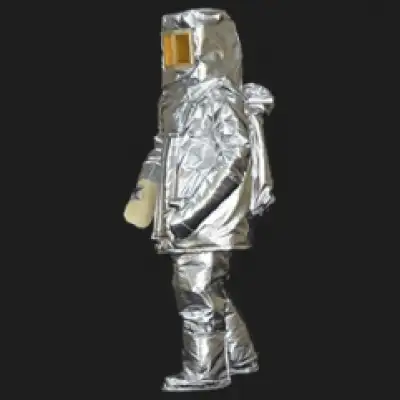
7 Best Practices for Cleaning & Maintaining Aluminized PPE

Protective equipment must not only be used but also properly maintained to remain effective. The Occupational Safety and Health Administration (OSHA) Personal Protective Equipment Standard (29 CFR 1910 Subpart I) requires that PPE be kept clean, functional, and in reliable condition wherever workplace hazards are present (1). 

Proper cleaning and maintenance begin with understanding material construction, performing routine inspections, using approved cleaning methods, ensuring proper drying, following correct storage practices, and recognizing when PPE should be removed from service.

1. Understand the Construction of Aluminized PPE

Before you clean or store aluminized PPE, understand what it is made of. Most aluminized protective apparel consists of a reflective outer layer, a thin aluminum film laminated to a base fabric, over an insulating inner layer. Common base materials include fiberglass, aramid (Kevlar®), pre-oxidized fiber, and FR rayon, each with different care requirements.

The aluminized coating itself is the most vulnerable part of the garment. It is highly effective when intact and reflective, but it can crack, peel, or delaminate when exposed to harsh chemicals, abrasive scrubbing, excessive heat during washing, or rough handling. Understanding this from the start will guide every care decision you make.

Important: Always follow the textile manufacturer's care instructions

Every aluminized PPE system is engineered differently. The care instructions provided by the manufacturer, including temperature limits, approved cleaning agents, and storage guidelines, take priority over all general advice. When in doubt, contact the textile manufacturer directly.

2. Routine Inspection Before & After Use

A consistent pre- and post-use inspection of aluminized PPE helps identify small issues early, such as microcracks in the aluminized layer, loosening seams, or contamination, ensuring reliable protection on the next job.

Inspection Area

What to Check

Reflective Surface

Look for cracks, peeling, bubbling, or delamination in the aluminum film. Any area where the reflective layer has separated or dulled significantly should be flagged for immediate review.

Seams & Closures

Check all stitched seams, zipper closures, hook-and-loop fasteners, and wrist/ankle cuffs for wear, fraying, or separation. Compromised seams allow dangerous heat transfer at joints.

Contamination

Identify oil, grease, chemical splatter, or embedded metal particles. These contaminants reduce reflectivity and can create ignition or chemical hazard risks in high-temperature environments.

Inner Liner Integrity

Where accessible, inspect the inner insulating and moisture barrier layers. Compression, tearing, or moisture saturation significantly reduces the garment's thermal resistance.

3. Cleaning Aluminized PPE the Right Way

Most damage to aluminized protective apparel occurs during cleaning, not during use. Aggressive washing methods can degrade the reflective layer, weaken base materials, and shorten service life. The following guidelines outline safe and effective cleaning practices.

For Surface Contamination & Light Soiling

  • Use a soft, non-abrasive cloth or sponge, never a scrub brush or scouring pad.

  • Use clean, lukewarm water as the primary cleaning method. Avoid soap; if necessary, use mild soap.

  • Blot gently; do not rub, especially on the reflective outer surface.

  • Rinse with clean, lukewarm water and allow to air dry completely before storage.

  • For oil or grease, consult the garment's care instructions before applying any degreaser.

For Heavier Contamination Requiring Full Washing

Some garments are designed to tolerate limited machine washing, while others, particularly proximity suits with multi-layer constructions, require professional cleaning or dry cleaning only. Always hand-wash.

NOTE: These garments are delicate and are NOT intended for routine machine washing. If machine washing MUST be completed to remove potential contaminants, including carcinogens from smoke or fire, use the following precautions:

  • Turn the garment INSIDE OUT so the aluminized surface faces inward.

  • Keep all waistbands, jacket buttons, and snaps fastened during washing.

  • Hang to dry. Do not fold.

⚠ Critical: Avoid the Following

Bleach, chlorine-based solvents, or strong alkaline cleaners will destroy the aluminum film and degrade most base fabrics. Industrial pressure washing is equally destructive. Do not dry-press or iron aluminized garments. Do not use abrasive scrubbing tools on the reflective outer surface under any circumstances.

For High-Performance Suits

Full proximity suits and fire entry suits are complex, multi-layer garments that generally require professional decontamination and inspection services. Many organizations, such as industrial fire brigades, ARFF teams, and foundry maintenance crews, have service agreements with specialized PPE cleaning facilities. 


This is the right approach for mission-critical equipment where consistent performance cannot be left to chance.

4. Drying and Finishing

After cleaning, proper drying is essential. Moisture trapped inside the insulating layers of an aluminized apparel can degrade materials over time, promote mold or mildew growth, and reduce the garment's thermal insulation performance.

  • Always air-dry aluminized PPE in a clean, well-ventilated space away from direct sunlight.

  • Hang suits vertically on wide, padded hangers that support the garment's full weight without distorting seams.

  • Ensure all pockets, cuffs, and layers are fully open to allow even airflow through the garment.

  • Allow complete drying before storing; this may take 24 hours or longer for thicker multi-layer aluminized suits.

Tip: Do not use heated drying cabinets, tumble dryers, or direct heat sources of any kind.

5. Storage Guidelines for Aluminized PPE

How you store aluminized PPE between uses has a direct impact on its longevity. The reflective aluminum film can develop micro-cracks from repeated compression, folding, or storage in tight spaces. Over time, these cracks reduce heat reflectivity and may cause the film to begin peeling at stress points.

Storage Practice

Guideline

Hang, Don't Fold

Store on wide padded hangers. Folding creates permanent crease lines in the aluminized film that degrade reflectivity over time.

Climate Control

Keep in a cool, dry area away from temperature extremes, UV exposure, and chemical fumes from adjacent materials.

Protective Cover

Use a breathable bag to protect from dust and airborne particulate contamination between uses.

Avoid Compression

Never stack heavy items on top of stored garments or compress them into tight storage spaces.

Away From Chemicals

Store separately from solvents, lubricants, or chemicals that may off-gas and degrade base materials.

Tag & Date

Label each PPE item with its last inspection date, last cleaning date, and assigned user or department.

6. Understand When to Retire Aluminized PPE

Retire an aluminized apparel immediately if you observe any of the following:

  • Delamination, peeling, or significant cracking of the aluminized layer.

  • Burn-through, melting, or holes in any layer.

  • Irreparable seam or closure failure.

  • Unremovable or unsafe chemical contamination.

  • Impact damage, compression failure, or structural deformation.

  • Exceeding manufacturer-recommended service life.

7. Proper Handling During Use

Improper handling during use can accelerate wear and reduce the service life of aluminized PPE. Avoid dragging garments across abrasive surfaces, exposing them to unnecessary mechanical stress, or placing them in contact with sharp edges. Proper donning, doffing, and handling practices help preserve the integrity of the aluminized surface.  

Related Articles -

Choosing the Right Aluminized Fabric for Proximity Firefighting

Common Applications of Aluminized Fabrics

Rayon vs. Para-Aramid vs. Fiberglass: Which Aluminized Fabric Is Right for You?

Partner with Newtex Industries for Aluminized PPE Solutions

Maintaining aluminized PPE is only one part of ensuring worker protection. Selecting the right material system and construction is equally important.

Newtex Industries offers a full range of aluminized fabrics and fabricated PPE designed for high-temperature environments. Our team provides support for material selection, application-specific recommendations, and maintenance best practices to help maximize performance and longevity.

Published: May 7, 2026
Categories: Stories