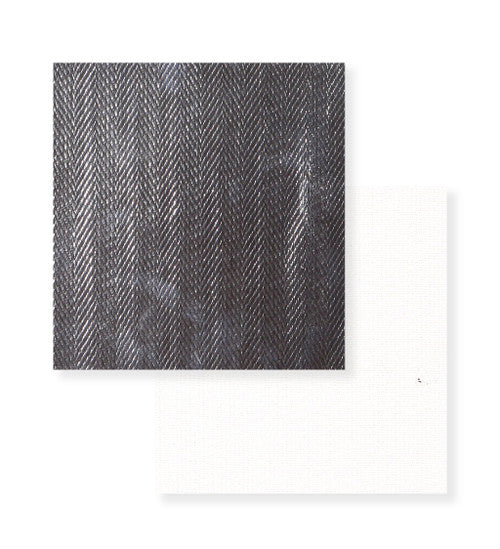
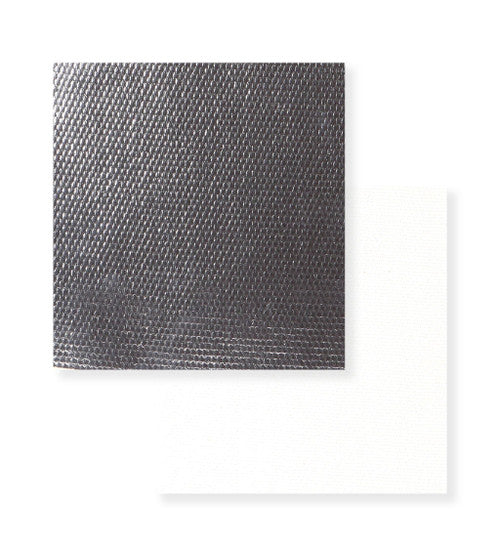
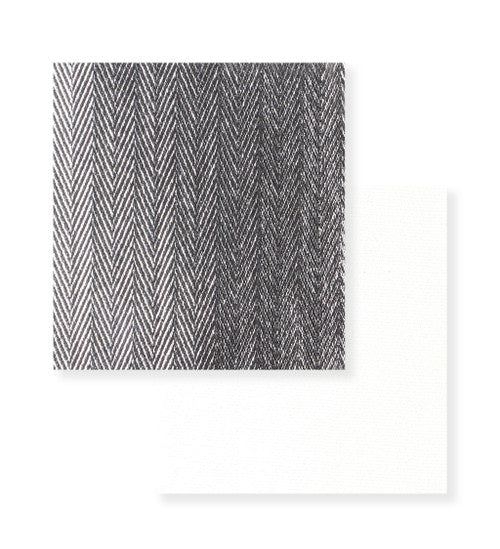
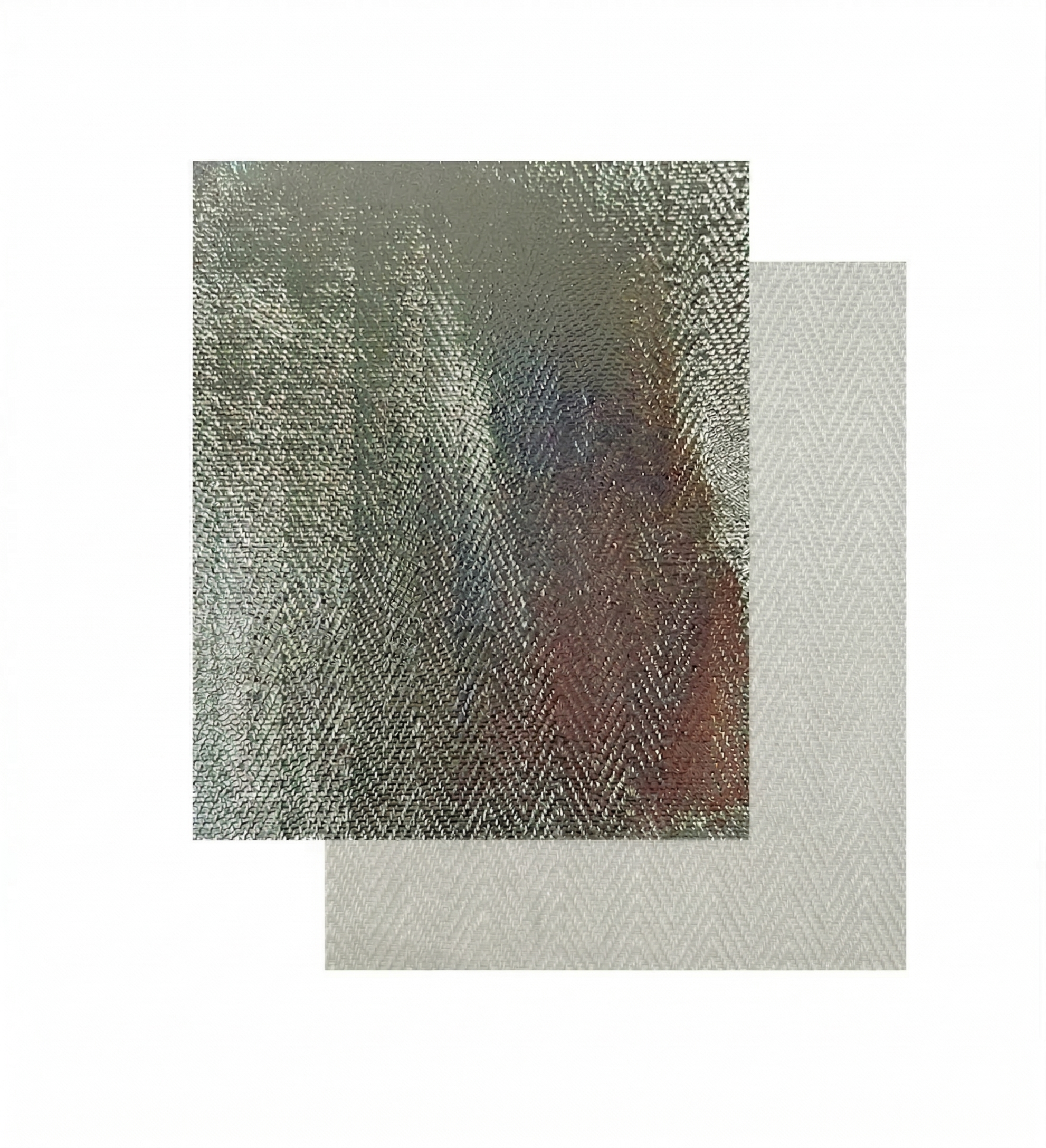
DualMirror® II Aluminized Rayon fabrics deliver outstanding radiant heat protection, molten metal and burn resistance, combined with the flexibility, comfort, and cost-effectiveness of rayon. These aluminized fabrics are widely used to fabricate aluminized clothing for foundry, glass, and industrial firefighting operations.
The DualMirror® II Aluminized Rayon range is available on high-quality rayon substrates, with a premium Lenzing™ viscose option offered on select styles. Lenzing viscose is a sustainably produced fiber known for its superior consistency and excellent aluminization adhesion, which can provide a more uniform reflective finish where specified. The DualMirror® II R-480 uses standard Rayon, offering a reliable and cost-effective solution where Lenzing's premium properties are not required.
These aluminized rayon fabrics reflect up to 95% of radiant heat up to 3,000°F / 1,650°C. Newtex Industries also manufactures aluminized fiberglass fabrics and aluminized aramid fabrics, used in protective apparel and heat shields.
Common Uses of DualMirror II Aluminized Rayon Fabrics
Firefighting Apparel
Industrial Safety Gear
Aerospace Insulation
Automotive Fire Protection
Emergency Response Uniforms
Related Downloads
Related Press & Release
FAQs:
What is the difference between aluminized fabric and FR (flame-resistant) fabric?
FR fabric is designed to resist ignition and self-extinguish when exposed to flame. It helps prevent burn injuries by reducing flame spread and minimizing melt or drip hazards. Aluminized fabric features a reflective aluminum surface that minimizes radiant heat exposure for the wearer by reflecting heat away from the body.
This makes it especially suitable for environments with intense radiant heat, such as molten metal operations, foundries, or furnace work.
Is Aluminized Lenzing Rayon the same as Regular Aluminized Rayon?
Not exactly. Aluminized Lenzing rayon fabric uses a premium Lenzing AG viscose fiber with tighter manufacturing consistency, which allows the aluminization to bond more evenly, delivering a more uniform reflective finish. Regular aluminized rayon fabric uses a standard viscose substrate and is a reliable, more cost-effective option.
Does rayon shrink or degrade when exposed to heat?
Rayon can be sensitive to high temperatures if exposed directly without high-temperature coating or treatment.